
STF begins analyzing rule that altered retirement due to incurable disease
STF begins analyzing rule that altered retirement due to incurable disease
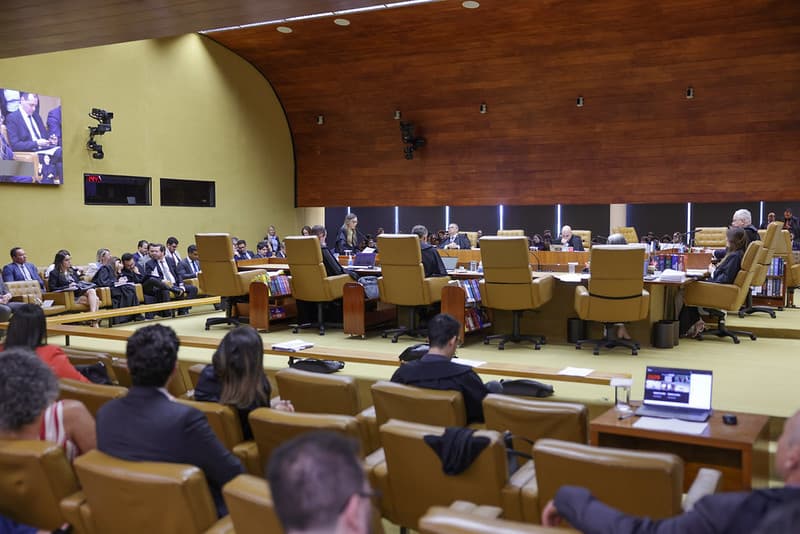
The Supreme Federal Court (STF) began judging, in the session this Wednesday (3), a appeal in which the argument is whether retirement due to permanent disability caused by serious, contagious, or incurable disease should be paid in full or follow the rule established by the 2019 Pension Reform. The matter is the object of Extraordinary Appeal (RE) 1469150, with recognized general repercussion (Theme 1.300). The trial was suspended and will be resumed on a date to be defined.
Reform
In 2019, the Pension Reform (Constitutional Amendment 103/2019) changed the calculation of this type of retirement and defined that the minimum value of the benefit will be 60% of the arithmetic average of the insured’s salaries, with an increase of 2 percentage points for each year of contribution exceeding 20 years.
In the appeal to the STF, the National Social Security Institute (INSS) seeks to reverse a decision by the Special Court of Paraná, which determined the full payment of retirement to an insured person under these conditions. According to the autarchy, the new rules (article 26, paragraph 2, item III, of EC 103/2019) do not represent social regression: it is a decision of social security and budgetary policy guided by the general spirit of rationalization and financial and actuarial balance of the social security system.
So far, there are five votes that consider the change unconstitutional and four for the validity of the rule established by the reform.
Temporary benefit
The appeal was being judged in virtual sessions. A request for highlight, however, sent the analysis for face-to-face judgment. With this, the votes already cast will be maintained, but the trial will be restarted from scratch, with the possibility of the ministers changing their votes.