
STF Evaluates Special Retirement for Security Guards: Impact of R$ 154 Billion and Criticism of the Pension Reform
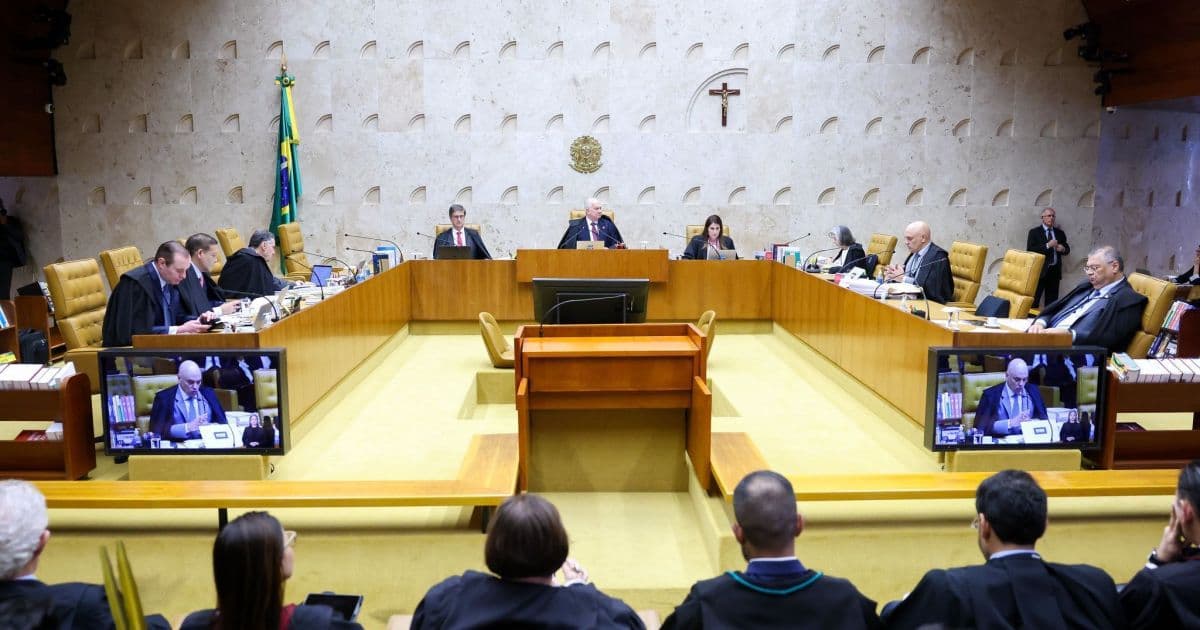
Understand the STF’s Deliberation on Special Retirement for Security Guards
The Supreme Federal Court (STF) is evaluating a decision with a major impact for private security professionals in Brazil: the possible granting of special retirement for security guards. The central discussion revolves around recognizing the risky nature of the profession, regardless of firearm use during service. This issue has generated intense debate, not only for its social relevance to the category but also for the significant financial impact estimated for public coffers in the long term.
Two Crucial Votes in Favor of Security Guards
So far, the scenario in the STF’s virtual plenary points to a favorable trend for security guards, with two votes already cast in favor of the measure. The ministers who have positioned themselves in this direction are:
- Kassio Nunes Marques: Acting as the case rapporteur, Minister Nunes Marques presented a detailed vote substantiating the need to grant the benefit.
- Flávio Dino: Minister Flávio Dino accompanied the rapporteur’s vote, reinforcing the line of argument that recognizes the risks inherent in security guard activities.
Both ministers converged on the view that professionals in the category who demonstrate and prove exposure to actual risks to their physical integrity during the performance of their duties should be entitled to special retirement. The main argument, as detailed in the rapporteur’s vote, highlights that:
“The exercise of security guard activity, while endangering the worker’s physical integrity, puts them in a permanent state of alert, generating a situation of high emotional tension.”
This perspective underlines not only the direct physical hazards but also the continuous psychological and emotional strain that the profession imposes, factors that would justify the differentiation in the pension system.
Multi-Billion Dollar Financial Impact
Despite the recognition of the risky nature of the profession, the proposal to extend special retirement to security guards raises serious fiscal concerns. The National Social Security Institute (INSS), responsible for managing pension benefits, has made projections indicating a very high cost to the Union. According to the agency’s calculations, granting this benefit could generate an impact of R$ 154 billion on the country’s public accounts in the long term.
This significant amount raises an alert about the sustainability of the pension system and the need for a balance between social justice for workers and fiscal responsibility. The high cost may influence the analysis of the other ministers and, consequently, the outcome of the judgment.
INSS Counterpoint and the 2019 Pension Reform
The discussion reached the Supreme Federal Court through an appeal filed by INSS itself. The agency argues that the 2019 Pension Reform (Constitutional Amendment No. 103/2019) significantly altered the rules for special retirement. INSS’s main argument is that, after the reform, the Federal Constitution:
- No longer allows the granting of special retirement based exclusively on “hazardousness” or risk to physical integrity.
- Limits the benefit only to workers who prove exposure to chemical, physical, or biological agents that are harmful to health, listed and proven by specific technical reports.
This position of the agency seeks to safeguard the principles of the reform, which aimed to balance the Social Security accounts and avoid the widespread recognition of special conditions that could weaken the system. The STF’s analysis, therefore, needs to weigh between the rights of workers, the post-reform constitutional interpretation, and the financial impact on the State.
The Meaning of Special Retirement
Special retirement is a pension benefit granted to workers who perform activities considered risky or that expose them to harmful agents to health, continuously and uninterruptedly. The goal is to compensate for the early physical and mental wear caused by these labor conditions, allowing the worker to retire earlier than under the general rules.
Historically, pension legislation recognized hazardousness as a factor for special retirement. However, recent reforms have sought to restrict these conditions, focusing more on exposure to chemical, physical, and biological agents, which are more easily measurable and technically provable. The STF’s decision in this specific case of security guards may establish an important precedent for the interpretation of special retirement in the context of Constitutional Amendment No. 103/2019, defining whether the hazardousness inherent in certain professions can still be a determining factor for granting the benefit.
Next Steps of the Judgment
The judgment, which takes place in the STF’s virtual plenary, allows ministers to vote electronically, without the need for in-person sessions. The expectation is that, as votes are cast, the scenario will become clearer. The final decision will have profound implications not only for security guards but also for other professional categories that also feel exposed to risks in their work routine and that seek recognition of special retirement.
We will closely follow the developments of this important judgment, which could redefine the parameters for special retirement in Brazil, reconciling the protection of workers with the sustainability of the pension system.