
STF Analyzes Controversial Rule of Pension Reform on Permanent Disability Retirement: Full Benefit or Reduction?
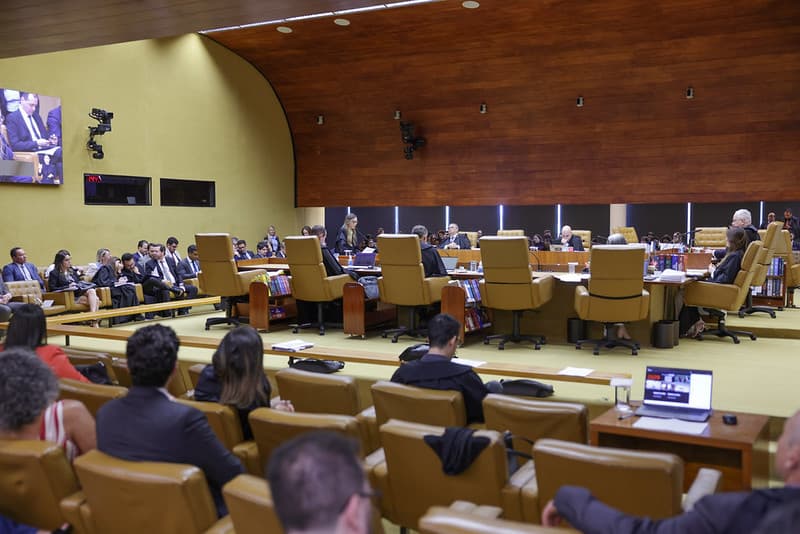
STF Begins Analysis of Controversial Rule of Pension Reform on Permanent Disability Retirement
The Supreme Federal Court (STF), the highest court in the Brazilian Judiciary, has begun a trial of great social and legal relevance that could redefine the future of permanent disability retirement (formerly disability retirement), especially in cases of severe, contagious, or incurable diseases. The central question under debate is whether the value of this benefit should be granted in full, as was the practice before the 2019 Pension Reform, or whether it should follow the new guidelines that, in many cases, result in a significant reduction for the insured.
This topic, of utmost importance to millions of Brazilian workers who may need this support, is being discussed within the scope of Extraordinary Appeal (RE) 1469150, which has been recognized as having general repercussion (Topic 1.300). This means that the decision rendered by the STF in this case will have binding effects and should be applied to all similar cases that are underway throughout the country.
The trial was suspended during the plenary session on December 3, 2025, and will resume on a date yet to be determined. The expectation surrounding this decision is considerable, given the direct impact on the lives of citizens who, in a moment of vulnerability due to health, depend on this benefit for their subsistence.
The Pension Reform and the Change in the Calculation of Disability Retirement
The controversy arises from the changes introduced by Constitutional Amendment No. 103/2019, popularly known as the Pension Reform. Before the reform, disability retirement (now permanent disability) granted as a result of serious diseases specified by law, such as cancer, blindness, severe heart disease, among others, generally guaranteed the insured the receipt of 100% of the average of their highest contribution wages.
However, EC 103/2019 drastically changed this rule. Article 26, paragraph 2, item III, of the aforementioned Constitutional Amendment, established a new calculation model for permanent disability retirement. According to the new rule, the value of the benefit will correspond to 60% of the arithmetic average of all contribution wages of the insured, with an increase of 2 percentage points for each year of contribution exceeding 20 years of contribution.
This change, which was mainly aimed at the fiscal and actuarial sustainability of the pension system, represented a significant reduction in the value of the benefit for many insured individuals, even those with very serious illnesses that completely prevent them from working. The core of the discussion in the STF lies in weighing the constitutionality of this reduction, especially when it comes to serious diseases, against the principles of human dignity and social protection.
The Concrete Case and the Arguments Under Debate
The Extraordinary Appeal under analysis was filed by the National Social Security Institute (INSS), seeking to reverse a previous decision of a Special Court of Paraná. This decision had ordered the full payment of retirement to an insured person who met the conditions of serious illness, ignoring the new calculation rules of the Pension Reform.
The federal agency, in its argumentation presented to the STF, argues that the new calculation rules do not constitute a social setback. According to the INSS, the change is a legitimate decision of pension and budgetary policy, aligned with the imperative of rationalization and the search for financial and actuarial balance of the social security system. In other words, the institute argues that the measure is necessary to guarantee the longevity and payment capacity of Social Security as a whole.
On the other hand, the defenders of the full benefit argue that the reduction in the value of retirement for those who suffer from a serious and incurable disease, and who, therefore, need to permanently leave work, violates fundamental principles of the Federal Constitution. Among the arguments raised, the following stand out:
- Dignity of the Human Person: The reduction of the benefit can put the insured in a situation of extreme vulnerability, compromising their ability to maintain a dignified life, especially when they already face serious health problems that entail additional expenses.
- Social Retrogression: The measure would be a step back in social protection, reducing already consolidated rights and affecting the legal certainty of citizens.
- Essential Character of the Benefit: The permanent disability retirement has a vital protective character, being the only source of income for many who are no longer able to carry out work activities. The reduction in value may make it impossible to access treatments, medications and even basic needs.
- Distinction of Cases: It is argued that cases of permanent disability resulting from work accidents or occupational diseases maintained the full benefit in the post-reform calculation. The disparity in treatment for serious illnesses not related to work, which equally remove the ability to work, would be unfair and would violate the principle of equality.
Current Status of the Trial
Until the suspension, the trial in the STF plenary already had a significant division of votes. Preliminary information indicates that five ministers voted to consider the change unconstitutional, that is, defending the full benefit for cases of serious illness. On the other hand, four ministers expressed themselves in favor of the validity of the rule established by the Pension Reform.
Initially, the analysis was taking place in virtual sessions, a common format to speed up the judgment of appeals. However, a request for prominence caused the process to be transferred to the face-to-face trial in the plenary. This change of format usually occurs when one or more ministers consider that the theme is of such complexity or relevance that it requires in-depth and oral debate among the members of the Court, allowing for a more elaborate discussion of the different points of view and arguments.
The resumption of the face-to-face trial in the STF will be a crucial moment for the definition of this issue. The final decision could have broad repercussions for the Brazilian social security system and, more directly, for the lives of thousands of citizens who depend on permanent disability retirement.
What Does General Repercussion (Topic 1.300) Mean?
The recognition of general repercussion (Topic 1.300) means that the STF has identified that the constitutional issue under debate transcends the interests of the parties involved in the individual process and has legal, economic, social or political relevance. Thus, the interpretation of the Federal Constitution given by the Supreme Court in this case will serve as a binding precedent for all other processes dealing with the same subject in all instances of the Judiciary.
This guarantees legal certainty and uniformity in the application of the law, avoiding contradictory decisions on the same subject in different courts in the country. The expectation is that, after the conclusion of the trial, the STF will clearly define the criteria for calculating permanent disability retirement, offering clear guidelines for both the INSS and the insured.
Next Steps and Expectations
The legal community and society in general anxiously await the resumption and outcome of this trial in the STF. The final decision will have a significant impact on the lives of retirees and future retirees due to permanent disability, defining whether these citizens, already weakened by their health conditions, will have financial support closer to what they received while active or whether they will need to adapt to a reality of reduced benefits.
It is essential that lawyers working in the social security area closely follow the unfolding of this case, as the STF decision will shape the interpretation and application of social security rules related to permanent disability retirement throughout the country. For the insured, it is a moment of hope and uncertainty, in the expectation that Justice will guarantee fair and adequate support in the face of the adversities of illness and the loss of the ability to work.