
INSS Uses AI to Grant Half of Retirements and Plans Competition for 9,000 Employees
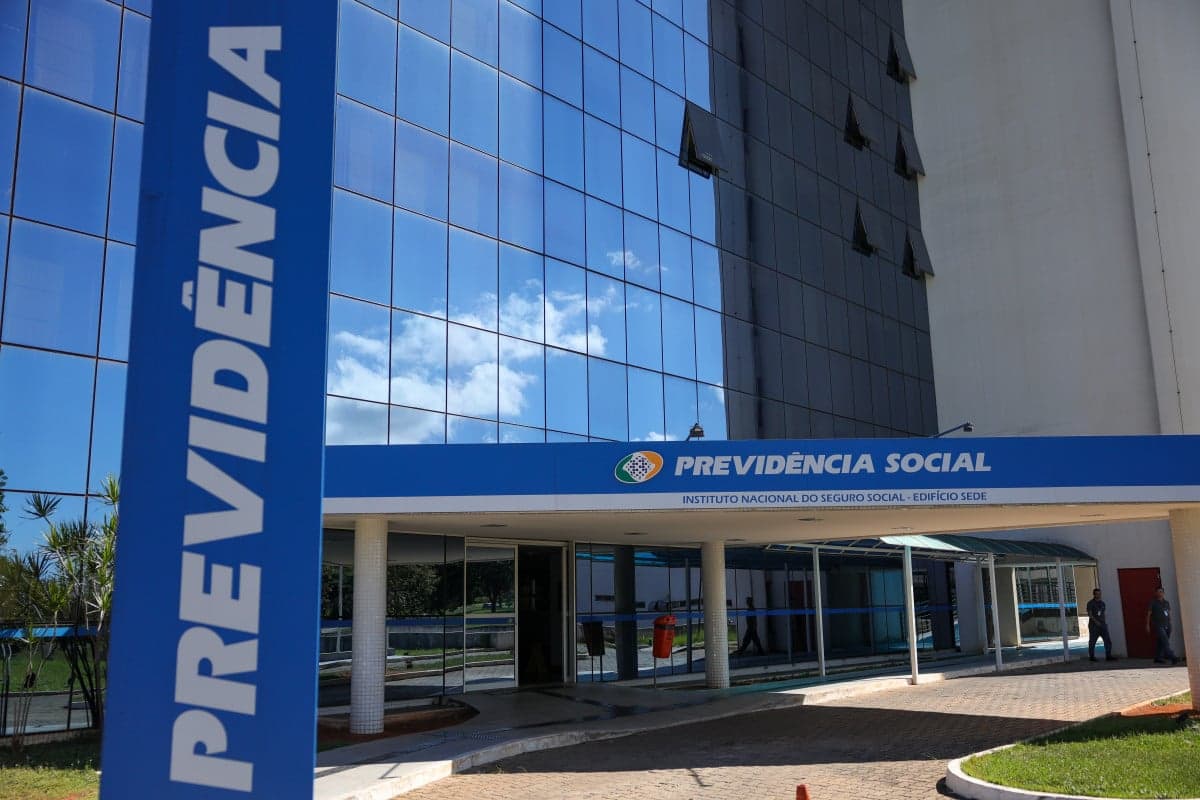
The National Social Security Institute (INSS) is undergoing an unprecedented digital transformation, where half of retirements are already granted through Artificial Intelligence (AI). However, technological advancement goes hand in hand with the need for humanization, leading the agency to plan the hiring of 9,000 new employees to strengthen face-to-face service and teach beneficiaries how to use digital tools.
The Era of Automatic Benefit Granting
Currently, INSS processes approximately 1.3 million requests monthly, managing a payroll that serves nearly 40 million beneficiaries and moves the significant amount of R$ 1.2 trillion per year. To manage this colossal volume, Artificial Intelligence has become an indispensable tool. The automation system, which in 2022 represented only 17% of grants, now accounts for 50% of released benefits.
As explained by Gilberto Waller Júnior, president of the institute, the use of algorithms allows that, in cases where the beneficiary’s data is complete and integrated into the system, the benefit is released instantly, without the need for human intervention. With an estimated success rate of 80%, the focus now is on continuous improvement to reduce errors and increase the legal certainty of automated decisions.
The Challenge of the Public Competition and Staff Replenishment
Despite the success of automation, INSS faces a critical personnel deficit. Since 2023, the number of employees has fallen drastically, from 36,000 to just 18,000. To reverse this scenario and improve the flow of Social Security Agencies (APSs), the agency requested the Ministry of Management and Innovation in Public Services (MGI) to open a new competition with 9,000 vacancies.
Expansion of Face-to-Face Service
The government’s strategy is not to replace humans with machines, but to use technology for manual labor and employees for strategic service. The plan includes:
- Implementation of self-service kiosks in agencies.
- Employees dedicated to guiding beneficiaries with difficulty in digital access.
- Combating the actions of intermediaries who take advantage of the vulnerability of the elderly.
- Reducing the face-to-face queue in regions with difficult access.
The INSS Queue and Reduction Measures
The waiting list, which still revolves around 3 million requests, is the biggest bottleneck of the agency. To meet the legal deadline of 45 days for analysis, INSS adopted the “Single Queue” system. This model allows an employee from any region of the country to analyze processes from other locations, optimizing the workforce where demand is higher.
“My dream is that, when the beneficiary enters Meu INSS, we can already say: there is a retirement available, do you want to apply?” — Gilberto Waller Júnior, President of INSS.
Data Integration and Process Simplification
One of the most important fronts for streamlining benefits is the cross-referencing of data with other public agencies. The goal is for benefits such as maternity salary and death pension to be released almost simultaneously to the generating event (birth or death), using information from registry offices and the social CPF.
In addition, the institute is working on simplifying the language used in communications with the beneficiary. Frequently, processes are stopped in “compliance with requirements” because the citizen does not understand which extra documents to present. It is estimated that more than 500,000 requests are stuck only due to lack of clarity in documentary communication.
Combating Fraud and Litigation
The litigation scenario is another point of attention, with about 4 million lawsuits going through the Judiciary against the agency. INSS seeks to reduce these numbers through partnerships with the National Council of Justice (CNJ) and the structuring of internal conciliation centers.
Another recent focus was the review of undue discounts on payroll loans. The agency admitted failures and has already reimbursed more than 4.3 million people, totaling R$ 2.9 billion returned directly to beneficiaries, preventing these cases from turning into new lawsuits against the State.
Conclusion: The Balance Between Technology and Humanization
The future of Social Security in Brazil lies in balance. Artificial Intelligence is the engine that allows processing the massive volume of data, but the new INSS employee will be the one who acts as a facilitator of rights. With the goal of analyzing requests in up to 45 days and the hiring of new technicians, the objective is to transform INSS into a safe, agile environment and, above all, accessible to every Brazilian citizen.